
Scroll down
Scroll down
Scroll down
to discover more.
to discover more.
to discover more
Hello, we're
TechInfinity
Hello, we're
⭐️
Connect to Content
Add layers or components to make infinite auto-playing slideshows.
TechInfinity
Hello, we're
TechInfinity
A decade of expertise, young passionate minds, and one vision, to create the extraordinary and achieve milestones together.
A decade of expertise, young passionate minds, and one vision, to create the extraordinary and achieve milestones together.
Scroll down
to discover more.
to discover more.
Credible work,
Incredible output!



Team
of
We are a
C
R
E
A
T
I
V
E
Storytellers
Strategists
Marketer
Designers
who can help you from
{
ideation
to
execution
}
we
Deliver
Strategy
S
t
r
a
t
e
g
y
RESULTS
&
Real
Results
B
r
a
n
d
s
From ideation to delivery
Every service you need, all in one place.









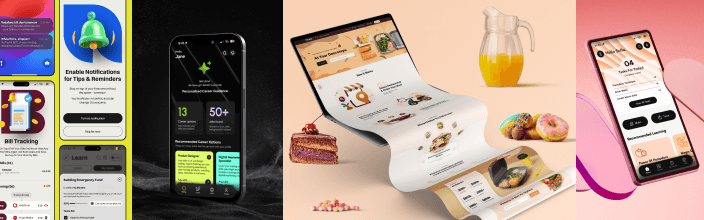
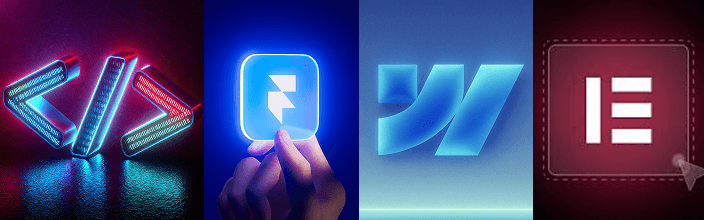

From strategy to delivery
From ideation to delivery
every service you need, all in one place.
Every service you need, All in one place.
Testimonials
" width="28.006931485745838px"><path d="M 7.878 0 C 7.878 0 6.196 9.029 0 12.222 L 18.251 12.222 C 12.055 9.029 10.373 0 10.373 0 L 9.125 0.015 Z" fill="rgb(33, 33, 33)" height="12.222438072401701px" id="xGgIIWtXh" transform="translate(4.855 19.778)" width="18.251095902433093px"/><path d="M 0 0 L 7.647 0 L 7.647 8.537 L 0 8.537 Z" fill="rgb(33, 33, 33)" height="8.537290432366376px" id="GIPbruQXn" transform="translate(10.226 11.952)" width="7.6466099539326535px"/><path d="M 0 7.002 C 0 3.135 3.135 0 7.002 0 C 10.869 0 14.003 3.135 14.003 7.002 C 14.003 10.869 10.869 14.003 7.002 14.003 C 3.135 14.003 0 10.869 0 7.002 Z" fill="rgb(33, 33, 33)" height="14.003465833280075px" id="fm3u6R6r6" transform="translate(7.002 0)" width="14.003465833280046px"/><path d="M 0 7.002 C 0 3.135 3.135 0 7.002 0 C 10.869 0 14.003 3.135 14.003 7.002 C 14.003 10.869 10.869 14.003 7.002 14.003 C 3.135 14.003 0 10.869 0 7.002 Z" fill="rgb(33, 33, 33)" height="14.00346583327996px" id="FvGwjCAGz" transform="translate(0 12.007)" width="14.003465833280018px"/><path d="M 0 7.002 C 0 3.135 3.135 0 7.002 0 C 10.869 0 14.003 3.135 14.003 7.002 C 14.003 10.869 10.869 14.003 7.002 14.003 C 3.135 14.003 0 10.869 0 7.002 Z" fill="rgb(33, 33, 33)" height="14.00346583327996px" id="O563DR8w8" transform="translate(14.003 12.007)" width="14.003465833280018px"/></g></svg>)
A
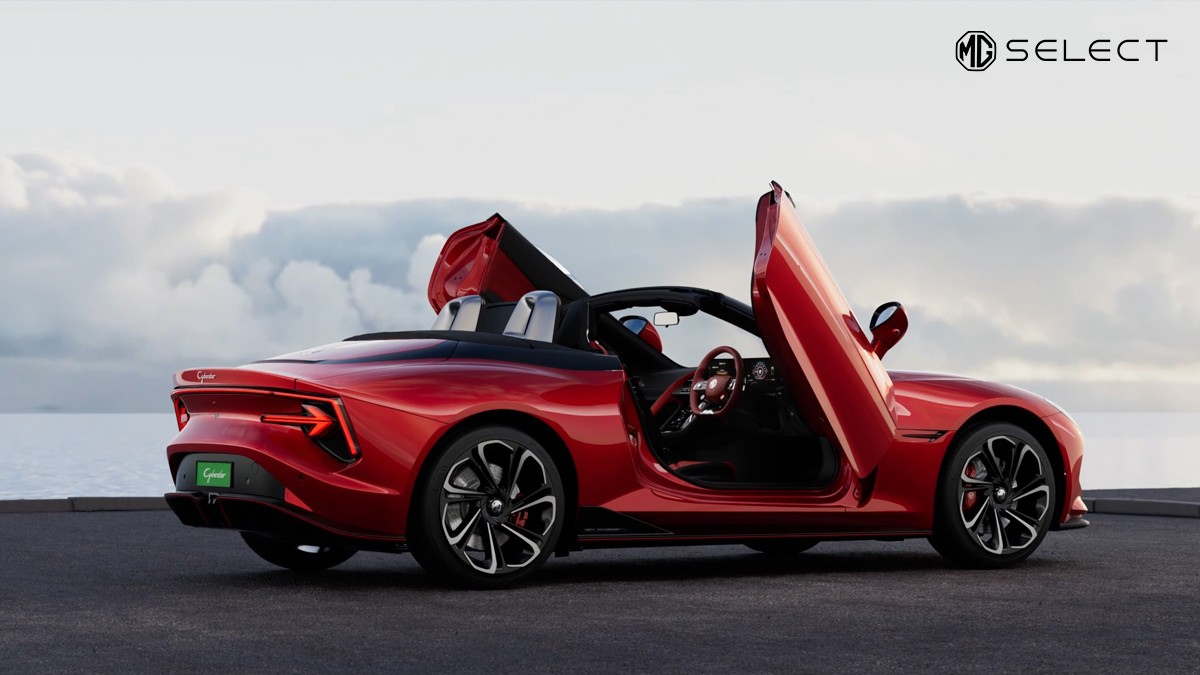
We’ve worked with Techinfinity on multiple projects for MG, and the experience has been consistently excellent. Their turnaround time and quality of work stand out. The team works tirelessly to deliver strong outcomes, helping our launch videos reach millions and achieve impressive visibility and impact.

Pahal Nopani
Social Media Head
MG Motor India
A

" height="32px" id="VCasQk3Oe" transform="translate(4 4)" width="32px"/></svg>)
A
We have been working with Techinfinity for over three years on videos, creatives, and explainer presentations. Across all deliverables, the team has consistently delivered exceptional quality. It has been a pleasure collaborating with them, and we look forward to exploring many more projects together.

Abhishek Moudgil
Senior Manager
ICICI Prudential
A
" width="26.03120449969427px"><path d="M 7.875 0 C 7.875 0 6.194 9.025 0 12.218 L 18.244 12.218 C 12.05 9.025 10.369 0 10.369 0 L 9.122 0.015 Z" fill="rgb(33, 33, 33)" height="12.217509025655424px" id="NB19fnX1o" transform="translate(3.893 19.782)" width="18.243877726476768px"/><path d="M 13.016 21.15 C 11.389 24.404 9.762 26.031 6.508 26.031 C 2.915 26.031 0 23.116 0 19.524 C 0 13.016 6.508 6.508 13.016 0 C 19.523 6.508 26.031 13.016 26.031 19.524 C 26.031 23.116 23.116 26.031 19.523 26.031 C 16.269 26.031 14.642 24.404 13.016 21.15 Z" fill="rgb(33, 33, 33)" height="26.031252080296063px" id="VKK0S3cMF" width="26.03120449969427px"/></g></svg>)
A
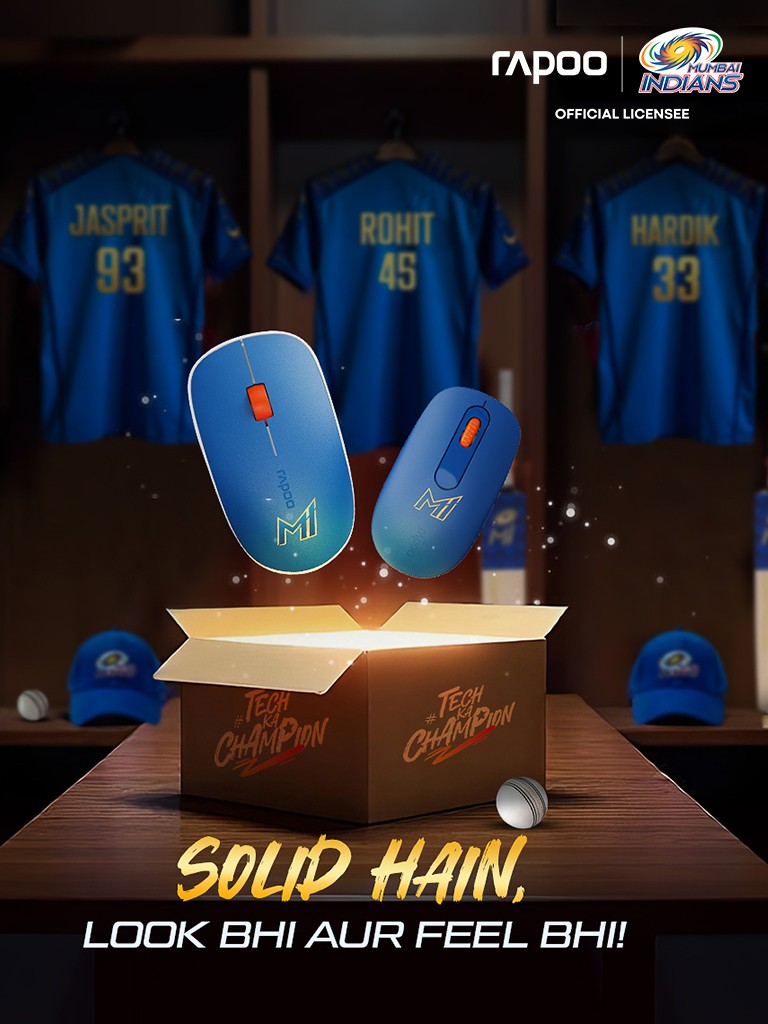
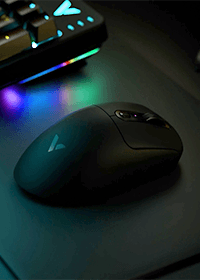
Rapoo X MI was a large-scale campaign, and Techinfinity delivered exceptional results across every touchpoint. From 3D, renders, PR, podcasts, social media, to the website, everything was handled smoothly and on time. The process was hassle-free, and the output was truly top-notch.

Siddesh Hede
Head of Marketing
Rapoo India
A
" height="32px" id="VUZ9TmX04" transform="translate(2.5 4.5)" width="36px"/></svg>)
A
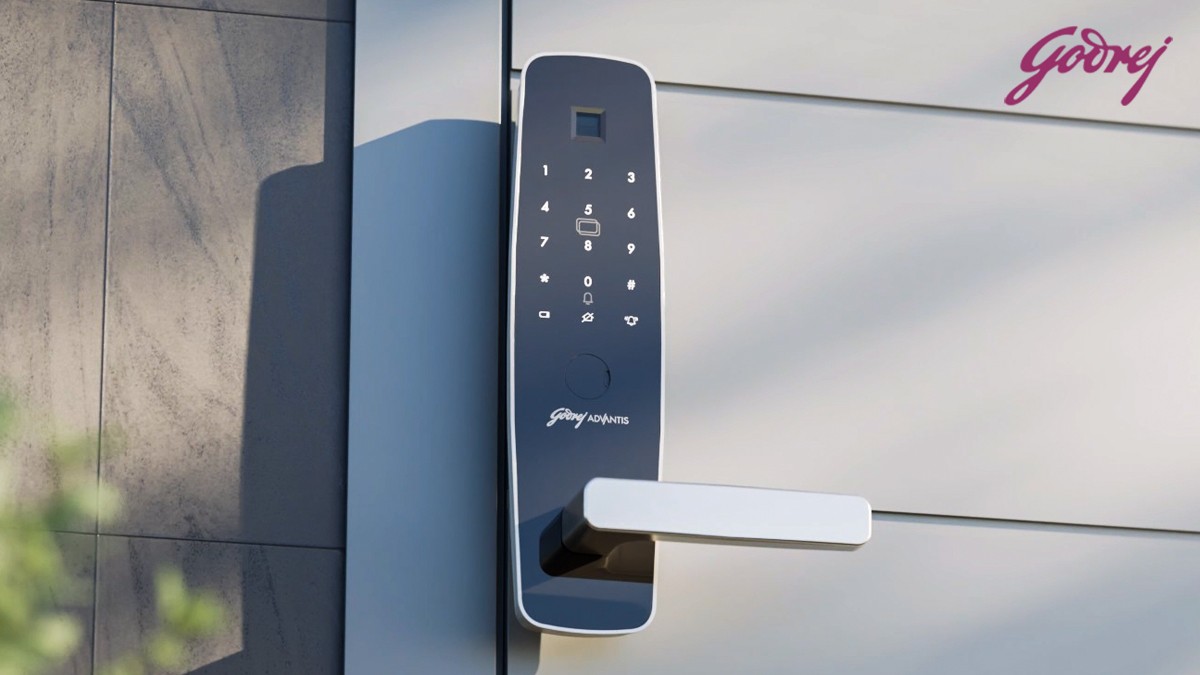
The idea of showcasing our integrated door lock and video doorbell through three synchronized LED screens at the Godrej booth was truly exciting. The Techinfinity team put in a lot of effort and time to bring everything together within a very short timeframe. A great thank you to the Techinfinity team.

Shyam Motwani
Executive Vice President
Godrej & Boyce
A
Testimonial
Testimonial
Testimonial
Lorem impsum
A
Lorem Ipsum is simply dummy text of the printing and typesetting industry. Lorem Ipsum has been the industry's standard dummy text ever since the 1500s, when an unknown printer took a galley of type and scrambled it to make a type specimen a galley of type and scrambled it to make a type specimen scrambled it to make a Lorem Ipsum is simply dummy text of the printing and typesetting industry. Lorem Ipsum has been the industry's standard dummy text ever since the 1500s, when an unknown printer took a galley of type and scrambled it to make a type specimen a galley of type and scrambled it to make a type specimen scrambled it to make a
Person Name
Designation
Company
A
A
We’ve worked with Techinfinity on multiple projects for MG, and the experience has been consistently excellent. Their turnaround time and quality of work stand out. The team works tirelessly to deliver strong outcomes, helping our launch videos reach millions and achieve impressive visibility and impact.
Pahal Nopani
Social Media Head
MG Motor India
A
A
We’ve worked with Techinfinity on multiple projects for MG, and the experience has been consistently excellent. Their turnaround time and quality of work stand out. The team works tirelessly to deliver strong outcomes, helping our launch videos reach millions and achieve impressive visibility and impact.
Pahal Nopani
Social Media Head
MG Motor Indiay
A
A
Lorem Ipsum is simply dummy text of the printing and typesetting industry. Lorem Ipsum has been the industry's standard dummy text ever since the 1500s, when an unknown printer took a galley of type and scrambled it to make a type specimen a galley of type and scrambled it to make a type specimen scrambled it to make a Lorem Ipsum is simply dummy text of the printing and typesetting industry. Lorem Ipsum has been the industry's standard dummy text ever since the 1500s, when an unknown printer took a galley of type and scrambled it to make a type specimen a galley of type and scrambled it to make a type specimen scrambled it to make a
Person Name
Designation
Company
A
A
We have been working with Techinfinity for over three years on videos, creatives, and explainer presentations. Across all deliverables, the team has consistently delivered exceptional quality. It has been a pleasure collaborating with them, and we look forward to exploring many more projects together.
Abhishek Moudgil
Senior Manager
ICICI Prudential
A
A
We have been working with Techinfinity for over three years on videos, creatives, and explainer presentations. Across all deliverables, the team has consistently delivered exceptional quality. It has been a pleasure collaborating with them, and we look forward to exploring many more projects together.
Abhishek Moudgil
Senior Manager
ICICI Prudential
A
A
Lorem Ipsum is simply dummy text of the printing and typesetting industry. Lorem Ipsum has been the industry's standard dummy text ever since the 1500s, when an unknown printer took a galley of type and scrambled it to make a type specimen a galley of type and scrambled it to make a type specimen scrambled it to make a Lorem Ipsum is simply dummy text of the printing and typesetting industry. Lorem Ipsum has been the industry's standard dummy text ever since the 1500s, when an unknown printer took a galley of type and scrambled it to make a type specimen a galley of type and scrambled it to make a type specimen scrambled it to make a
Person Name
Designation
Company
A
A
Rapoo X MI was a large-scale campaign, and Techinfinity delivered exceptional results across every touchpoint. From 3D, renders, PR, podcasts, social media, to the website, everything was handled smoothly and on time. The process was hassle-free, and the output was truly top-notch.
Siddesh Hede
Head of Marketing
Rapoo India
A
A
Rapoo X MI was a large-scale campaign, and Techinfinity delivered exceptional results across every touchpoint. From 3D, renders, PR, podcasts, social media, to the website, everything was handled smoothly and on time. The process was hassle-free, and the output was truly top-notch.
Siddesh Hede
Head of Marketing
Rapoo India
A
A
Lorem Ipsum is simply dummy text of the printing and typesetting industry. Lorem Ipsum has been the industry's standard dummy text ever since the 1500s, when an unknown printer took a galley of type and scrambled it to make a type specimen a galley of type and scrambled it to make a type specimen scrambled it to make a Lorem Ipsum is simply dummy text of the printing and typesetting industry. Lorem Ipsum has been the industry's standard dummy text ever since the 1500s, when an unknown printer took a galley of type and scrambled it to make a type specimen a galley of type and scrambled it to make a type specimen scrambled it to make a
Person Name
Designation
Company
A
A
The idea of showcasing our integrated door lock and video doorbell through three synchronized LED screens at the Godrej booth was truly exciting. The Techinfinity team put in a lot of effort and time to bring everything together within a very short timeframe. A great thank you to the Techinfinity team.
Shyam Motwani
Executive Vice President
Godrej & Boyce
A
A
The idea of showcasing our integrated door lock and video doorbell through three synchronized LED screens at the Godrej booth was truly exciting. The Techinfinity team put in a lot of effort and time to bring everything together within a very short timeframe. A great thank you to the Techinfinity team.
Shyam Motwani
Executive Vice President
Godrej & Boyce
A
Brands That Believe in Us














































The Projects
that Define Us



The Projects
that Define Us
Awards & Recognition
Awards & recognition
A Few Feathers in Our Hat

Afaqs Best use of SEO/SEM
[National & West zone]
2026
Afaqs Best use of SEO/SEM
[National & West zone]
2026
Afaqs Best use of Short form
[National & West zone]
2026
Afaqs Best use of Short form
[National & West zone]
2026

Digital Product Excellence (SME)
2025
Digital Product Excellence (SME)
2025

Entrepreneurs Today 30 Under 30
2022
Entrepreneurs Today 30 Under 30
2022

Amazon Smbhav
2022
Amazon Smbhav
2022

Magnetic Maharashtra
2018
Magnetic Maharashtra
2018
If you master this tools
If you master this tools
Let's work together
Let's work together
Join us
Join us






















Credible work,
Incredible output!
Team
of
We are a
C
R
E
A
T
I
V
E
Storytellers
Strategists
Marketer
Designers
who can help you from
{
ideation
to
execution
}
we
Deliver
Strategy
S
t
r
a
t
e
g
y
RESULTS
&
0%
0%
PROMISE
DELIVER
When we
we
0%
0%
PROMISE
DELIVER
When we
we
Scroll down
to discover more
Hello, we're
TechInfinity
A decade of expertise, young passionate minds, and one vision, to create the extraordinary and achieve milestones together.
Scroll down
to discover more.
Credible work,
Incredible output!
Team
of
We are a
C
R
E
A
T
I
V
E
Storytellers
Strategists
Marketer
Designers
who can help you from
{
ideation
to
execution
}
we
Deliver
Strategy
S
t
r
a
t
e
g
y
RESULTS
&
Real
Results
B
r
a
n
d
s
Engineering trust in 3D
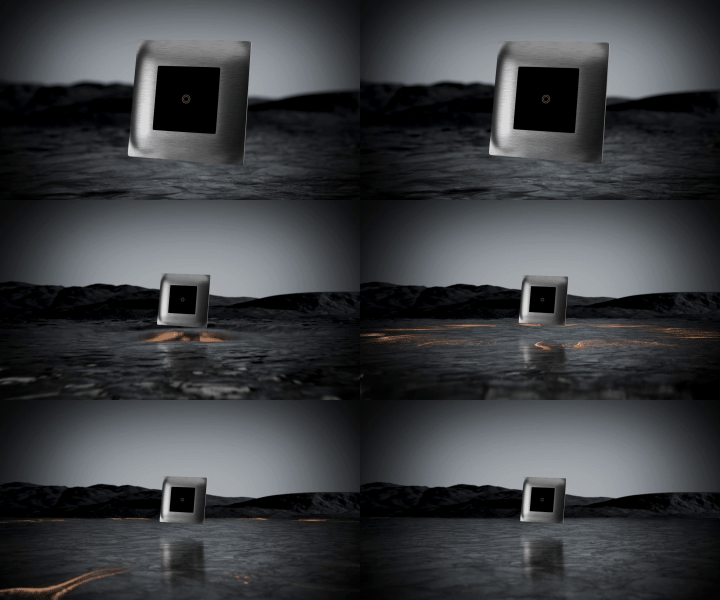
The Godrej Locks 3D CGI project brings the future of security to life. Every detail, from the sleek design to the advanced features, is showcased with stunning precision. It’s not just about security, it’s about creating a visual experience that highlights the sophistication and innovation behind each product.
Learn more
Learn more
Capturing Elegance in 3D
The Lakmé Bloom Lipstick 3D CGI project redefines beauty in the digital world. With every swirl of animation, the lipstick comes to life, showcasing its luxurious design and vibrant color. The seamless transitions and hyper-realistic details highlight the elegance and sophistication of the product, immersing the viewer in a visually stunning experience.
Learn more
Learn more
Innovation meets interaction
The MG Cyberster’s 3D website isn’t just a display; it’s an experience. Each click immerses users deeper into a world where innovation meets artistry. With seamless animations, interactive features, and a design that pushes boundaries, the site takes visitors on a journey, making them feel the thrill of the ride before they even step inside.
Learn more
Learn more
Bringing the game to life
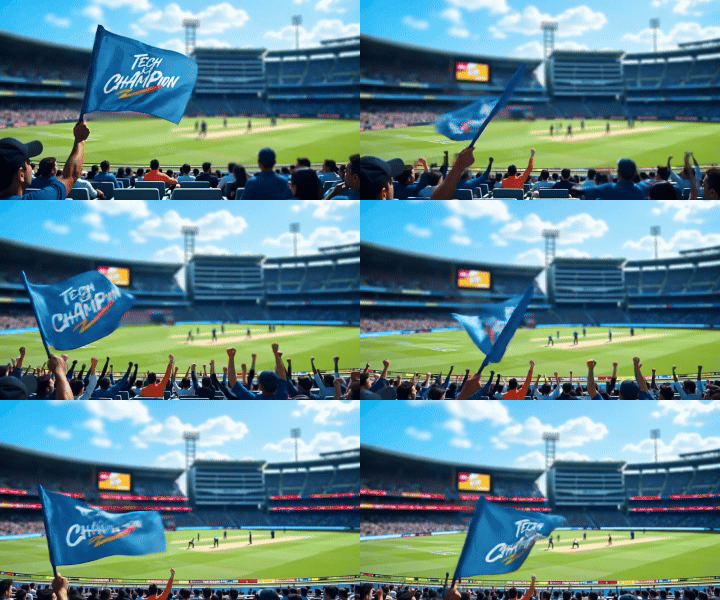
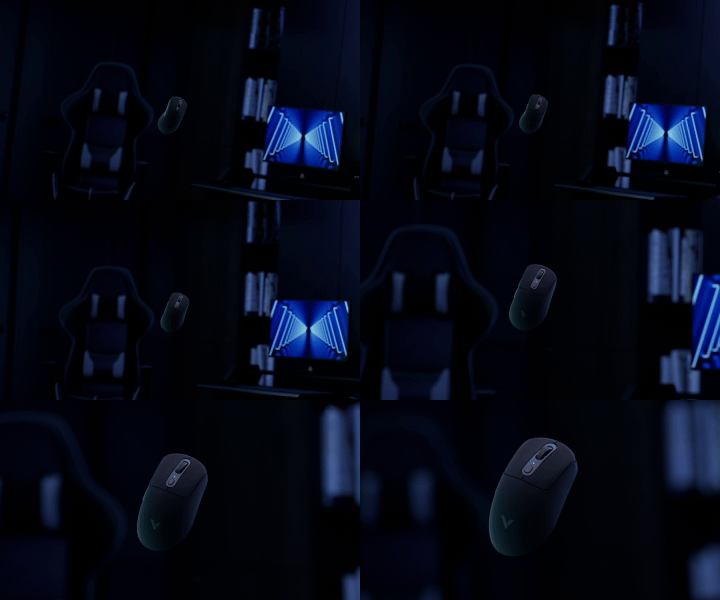
The Rapoo x Mumbai Indians digital campaign is a fusion of technology and sport. With vibrant visuals, interactive features, and seamless connectivity, the campaign brings the energy of Mumbai Indians to life, engaging fans with every detail. It’s not just about a product, it’s about creating an experience that connects, excites, and immerses users in the thrill of the game.
Learn more
Learn more
Real
Results
B
r
a
n
d
s

Branding & Visual Design
Logo design, Visual identity, Print design, Marketing creatives, Illustrations, Social media Strategy and Creatives
Front-End & No-Code Development
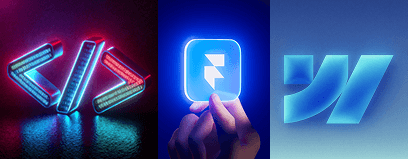
Shopify, Framer, WordPress, e-commerce, Custom development, Webflow

Artificial Intelligence
Process automation, Generative AI, Custom AI solution

2D & 3D Production
Hyper real 3D visuals, CGI / VFX, 3D renders, Motion graphic and 2D animation
Marketing
DM, PM, SEO, Lead Generation, GBP, Data Analytics
Search Engine Optimisation
Ai SEO, B2B SEO, Local SEO, e-commerce SEO, Shopify SEO, Enterprise SEO
Real Estate Solutions
Architectural Scale models, 3D renders, Interactive sales app, Isometric Renders, Drone cinematics, Corporate Gifting
Branding & Visual Design
Logo design, Visual identity, Print design, Marketing creatives, Illustrations, Social media Strategy and Creatives
Front-End & No-Code Development
Shopify, Framer, WordPress, e-commerce, Custom development, Webflow
Artificial Intelligence
Process automation, Generative AI, Custom AI solution
2D & 3D Production
Hyper real 3D visuals, CGI / VFX, 3D renders, Motion graphic and 2D animation
Marketing
DM, PM, SEO, Lead Generation, GBP, Data Analytics
Search Engine Optimisation
Ai SEO, B2B SEO, Local SEO, e-commerce SEO, Shopify SEO, Enterprise SEO
Real Estate Solutions
Architectural Scale models, 3D renders, Interactive sales app, Isometric Renders, Drone cinematics, Corporate Gifting
From ideation to delivery
Every service you need, All in one place.
Testimonial
Lorem impsum
A
The idea of showcasing our integrated door lock and video doorbell through three synchronized LED screens at the Godrej booth was truly exciting. The Techinfinity team put in a lot of effort and time to bring everything together within a very short timeframe. A great thank you to the Techinfinity team.
Shyam Motwani
Executive Vice President
Godrej & Boyce
A
A
The idea of showcasing our integrated door lock and video doorbell through three synchronized LED screens at the Godrej booth was truly exciting. The Techinfinity team put in a lot of effort and time to bring everything together within a very short timeframe. A great thank you to the Techinfinity team.
Shyam Motwani
Executive Vice President
Godrej & Boyce
A
A
Rapoo X MI was a large-scale campaign, and Techinfinity delivered exceptional results across every touchpoint. From 3D, renders, PR, podcasts, social media, to the website, everything was handled smoothly and on time. The process was hassle-free, and the output was truly top-notch.
Siddesh Hede
Head of Marketing
Rapoo India
A
A
Rapoo X MI was a large-scale campaign, and Techinfinity delivered exceptional results across every touchpoint. From 3D, renders, PR, podcasts, social media, to the website, everything was handled smoothly and on time. The process was hassle-free, and the output was truly top-notch.
Siddesh Hede
Head of Marketing
Rapoo India
A
A
We have been working with Techinfinity for over three years on videos, creatives, and explainer presentations. Across all deliverables, the team has consistently delivered exceptional quality. It has been a pleasure collaborating with them, and we look forward to exploring many more projects together.
Abhishek Moudgil
Senior Manager
ICICI Prudential
A
A
We have been working with Techinfinity for over three years on videos, creatives, and explainer presentations. Across all deliverables, the team has consistently delivered exceptional quality. It has been a pleasure collaborating with them, and we look forward to exploring many more projects together.
Abhishek Moudgil
Senior Manager
ICICI Prudential
A
A
We’ve worked with Techinfinity on multiple projects for MG, and the experience has been consistently excellent. Their turnaround time and quality of work stand out. The team works tirelessly to deliver strong outcomes, helping our launch videos reach millions and achieve impressive visibility and impact.
Pahal Nopani
Social Media Head
MG Motor India
A
A
We’ve worked with Techinfinity on multiple projects for MG, and the experience has been consistently excellent. Their turnaround time and quality of work stand out. The team works tirelessly to deliver strong outcomes, helping our launch videos reach millions and achieve impressive visibility and impact.
Pahal Nopani
Social Media Head
MG Motor India
A
Brands That Believe in Us



The Projects
that Define Us



2022
✼
UX/UI Case Study
✼
~15 min. read
Lakmé Rouge Bloom - From Concept to Creation
UX Design
Graphics
3D Design
Website
Nominated
IDZ UX Design Award
2022
✼
UX/UI Case Study
✼
~15 min. read
Lakmé Rouge Bloom - From Concept to Creation
UX Design
Graphics
3D Design
Website
Nominated
IDZ UX Design Award
Awards & Recognition
A Few Feathers in Our Hat
Afaqs Best use of SEO/SEM. [National & West zone]
2026
Afaqs Best use of SEO/SEM. [National & West zone]
2026
Afaqs Best use of Short form. [National & West zone]
2026
Afaqs Best use of Short form. [National & West zone]
2026
Digital Product Excellence (SME)
2025
Digital Product Excellence (SME)
2025
Entrepreneurs Today 30 Under 30
2022
Entrepreneurs Today 30 Under 30
2022
Amazon Smbhav
2022
Amazon Smbhav
2022
Magnetic Maharashtra
2018
Magnetic Maharashtra
2018
If you master this tools
Let's work together
The Projects
that Define Us
Brands That Believe in Us
Credible work,
Incredible output!
Team
of
We are a
C
R
E
A
T
I
V
E
Storytellers
Strategists
Marketer
Designers
who can help you from
{
ideation
to
execution
}
we
Deliver
Strategy
S
t
r
a
t
e
g
y
RESULTS
&
Let's Build Something Great!
Let’s talk about your next move.
Whether it’s strategy, design, or both we’re here to help.
Let's Connect!
Let's Connect!
All Rights Reserved 2026 © Techinfinity ™
You thought it was over?
You forgot to hover






Let's Build Something Great!
Let’s talk about your next move.
Whether it’s strategy, design, or both we’re here to help.
Let's Connect!
Let's Connect!
All Rights Reserved 2026 © Techinfinity ™
You thought it was over?
You forgot to hover
Let's Build Something Great!
Let’s talk about your next move.
Whether it’s strategy, design, or both we’re here to help.
Let's Connect!
Let's Connect!
All Rights Reserved 2026 © Techinfinity ™
You thought it was over?
You forgot to hover