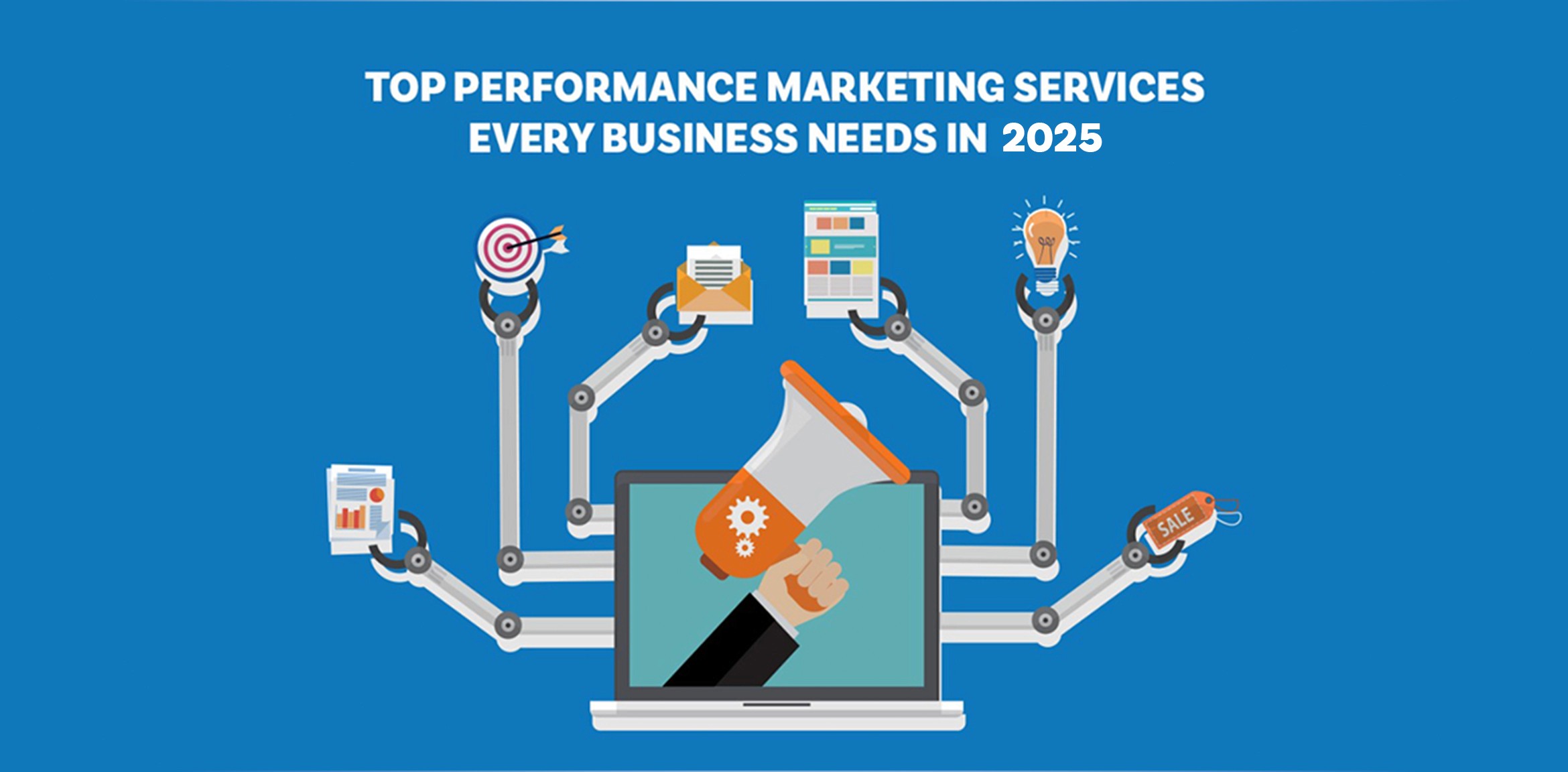
In today's competitive digital landscape, businesses increasingly rely on data-driven marketing to refine their strategies and achieve measurable results. Integrating performance marketing strategies with advanced marketing analytics enables marketers to optimize campaigns and make informed decisions, leading to greater success. Let's explore how embracing data-driven decision-making can transform your marketing efforts.

What is Data-Driven Performance Marketing?
Data-driven marketing uses customer insights, market trends, and campaign data to inform and improve marketing strategies. Data-driven performance marketing prioritizes precision over the assumptions of traditional methods, enabling businesses to allocate resources efficiently while optimizing their return on investment (ROI).
Key aspects of this approach include:
Personalization: Tailoring messages and campaigns to specific audience segments.
Optimization: Continuously refining strategies based on real-time data.
Accountability: Measuring every dollar spent to ensure value-driven results.
The Role of Performance Marketing Strategies
Performance marketing strategies are essential to data-driven efforts. They focus on achieving tangible outcomes, such as clicks, leads, or sales. By integrating analytics into these strategies, marketers can enhance their campaigns' effectiveness while minimizing costs.
Core Components of Performance Marketing:
Search Engine Marketing (SEM): Using data to target high-intent users through paid search ads.
Social Media Advertising: Optimizing audience targeting and ad placements based on engagement data.
Affiliate Marketing: Partnering with affiliates to drive results tracked through precise analytics.
Content Marketing: Leveraging insights to create content that resonates with specific demographics.
The success of these strategies depends on strong marketing analytics and a dedication to data-driven decision-making.
Marketing Analytics: The Backbone of Data-Driven Marketing
At the core of data-driven marketing lies marketing analytics, the tools and processes used to collect, interpret, and apply data to decision-making. Analytics comprehensively understand audience behaviour, campaign performance, and market dynamics.
Key Metrics to Track:
Click-Through Rate (CTR): Measures how many users clicked on an ad or link.
Cost Per Acquisition (CPA): Tracks the cost of acquiring a customer or lead.
Return on Ad Spend (ROAS): Evaluates the revenue generated compared to ad costs.
Conversion Rates: Indicates how many users performed the desired action (e.g., purchase, sign-up).
By leveraging tools such as Google Analytics, CRM platforms, and social media dashboards, businesses can gain actionable insights to optimize their performance marketing strategies.
Embracing Data-Driven Decision-Making
Data-driven decision-making is the process of using evidence-based insights to guide marketing choices. This approach reduces guesswork, allowing marketers to identify what works and doesn't.
Steps to Implement Data-Driven Decision-Making:
Define Objectives: Establish clear goals, such as increasing sales, improving customer retention, or enhancing brand awareness.
Collect Relevant Data: Gather data using tools like surveys, website analytics, and A/B testing.
Analyze and Interpret: Translate raw data into actionable insights with visualization tools.
Optimize and Repeat: Continuously refine campaigns based on performance metrics.
This iterative process ensures businesses remain agile and adapt to changing market trends.
Benefits of Data-Driven Marketing
The integration of data-driven marketing and performance marketing strategies offers numerous advantages:
Enhanced Targeting: Use analytics to identify and reach the right audience.
Personalized Campaigns: Tailor content and messaging for better engagement.
Improved ROI: Allocate resources effectively to maximize outcomes.
Real-Time Adjustments: Adapt strategies quickly based on performance data.
Brands that implement these practices are more prepared to tackle the challenges of today's dynamic digital landscape.
Overcoming Challenges in Data-Driven Marketing
Although the advantages of data-driven approaches are evident, challenges like data privacy concerns, integration hurdles, and the complexity of analysis may still emerge.
Solutions to Common Challenges:
Data Privacy Compliance: Use regulations like GDPR and CCPA to build trust.
Tool Integration: Invest in platforms that unify data across channels.
Upskilling Teams: Provide training for marketers to interpret and apply analytics effectively.
By addressing these challenges, businesses can fully unlock the power of data-driven decision-making.
The Future of Data-Driven Performance Marketing
As technology advances, the potential of data-driven marketing will continue to grow. Emerging trends include:
Artificial Intelligence (AI): Automating data analysis and campaign optimization.
Predictive Analytics: Anticipating customer behaviour to stay ahead of trends.
Omnichannel Integration: Combining data from multiple touchpoints for a seamless customer experience.
Marketers who stay ahead of these innovations will gain a significant competitive edge.
Conclusion
Unlocking the power of data-driven marketing and performance marketing strategies requires a commitment to marketing analytics and data-driven decision-making. By leveraging insights to refine campaigns, businesses can enhance ROI, build stronger customer relationships, and stay competitive in the digital age.
Reviewed by: TechInfinity Content Team
Last Updated:
This article follows our Editorial Policy and Content Review Process to ensure accuracy and relevance.